Cedar Hill Mobile Equipment Diagnostics: Expert On-Site Hydraulic Troubleshooting
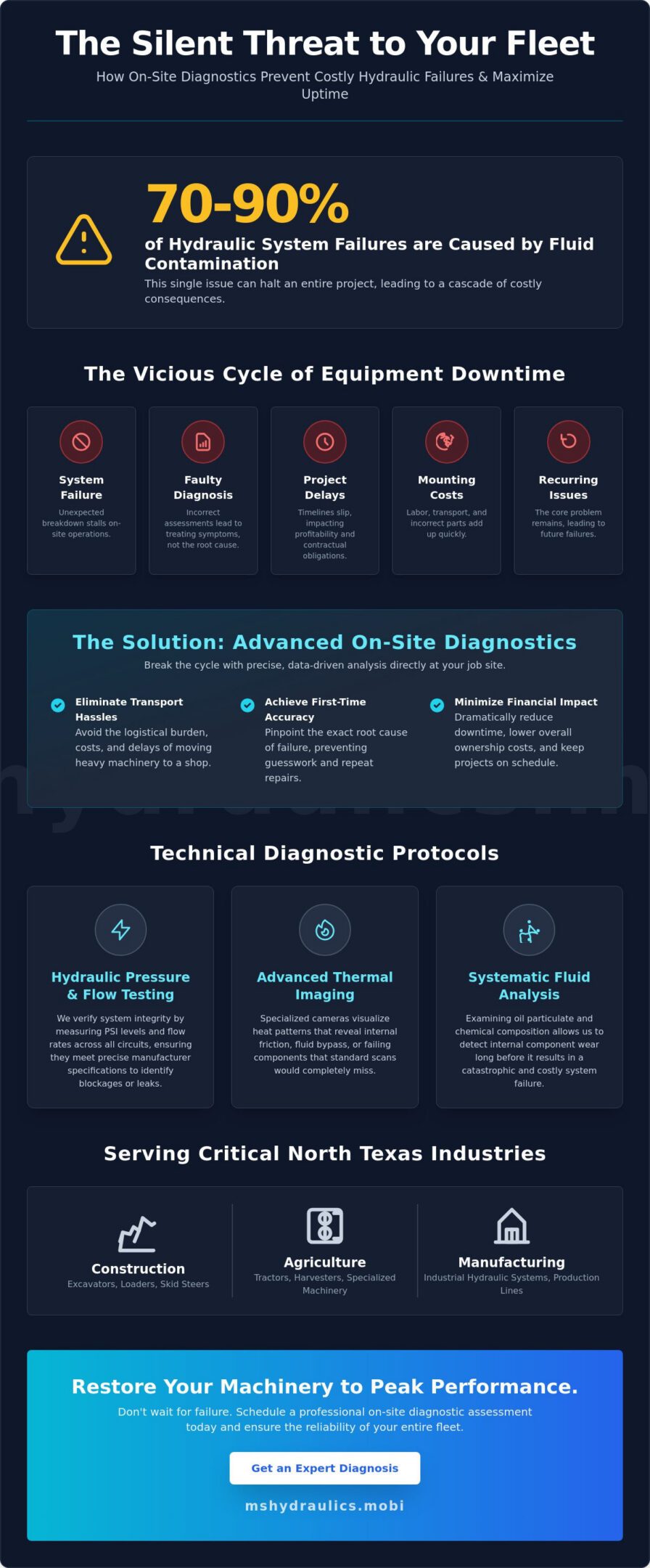
Did you know that 70% to 90% of hydraulic system failures are caused by fluid contamination? For project managers and fleet operators, this data confirms that a single compromised component can stall an entire job site. When these failures occur, professional Cedar Hill mobile equipment diagnostics become essential to prevent mounting costs and project delays. We understand that the inability to transport non-functional equipment to a fixed shop often leads to extended downtime, especially when previous incorrect diagnoses have led to recurring mechanical issues.
Our on-site diagnostic services provide the technical precision required to identify the root cause of failure directly at your location. By utilizing mobile troubleshooting, you avoid the logistical burden of towing while receiving a detailed report on system health and preventative needs. This article examines how expert assessment of hydraulic pumps, motors, and valves ensures your equipment meets rigorous standards for reliability. You’ll learn how precise verification of mechanical parameters can minimize downtime and restore your machinery to peak performance levels.
Key Takeaways
- Professional Cedar Hill mobile equipment diagnostics utilize advanced field tools like flow meters and thermal imaging to verify hydraulic integrity without the need for equipment transport.
- Identify early indicators of failure in hydraulic pumps and motors, specifically addressing how North Texas thermal conditions impact fluid viscosity and component seals.
- Discover how systematic hydraulic fluid analysis detects internal wear, allowing for scheduled repairs of valves and cylinders before they cause catastrophic system collapse.
- Establish rigorous maintenance protocols, including proactive hose replacement and scheduled inspections, to extend the operational life of heavy industrial and agricultural machinery.
- Understand the logistical advantages of bringing expert shop capabilities directly to the job site to maintain project timelines and reduce overall ownership costs.
The Critical Role of Mobile Equipment Diagnostics in Cedar Hill
Mobile equipment diagnostics represent a specialized engineering discipline focused on the real-time assessment of heavy industrial and agricultural systems. This process applies the principles of hydraulic machinery to identify anomalies in pressure, flow, and thermal regulation without requiring the equipment to leave the job site. In a high-stakes environment like Cedar Hill, where construction and industrial operations are constant, these diagnostics are the first line of defense against systemic failure. Moving from a reactive repair model to a data-driven diagnostic approach allows fleet managers to understand the root cause of a failure, rather than just treating the surface symptoms. Professional Cedar Hill mobile equipment diagnostics provide the technical verification needed to maintain operational integrity across complex fleets.
The financial consequences of machinery idling are significant. When an excavator or loader stops, labor costs for the operator continue, project timelines slip, and potential contractual penalties accrue. Industry data indicates that the annual cost of owning and maintaining heavy equipment can reach $50,000 per machine. Every hour of downtime directly erodes project profitability. Transitioning to professional on-site assessments ensures that technical decisions are based on factual accuracy rather than guesswork.
Reducing Machinery Downtime in North Texas
Transporting heavy machinery to a fixed facility is a logistical burden that often requires specialized hauling permits and substantial expenses. For projects situated near Highway 67 or Joe Pool Lake, mobile service eliminates these delays. Rapid on-site assessment ensures that the first diagnosis is accurate. It’s far more cost-effective than trial and error component replacement. High-precision troubleshooting identifies whether a fault lies in a hydraulic pump, a valve, or a cylinder. This prevents the recurring issues that stem from incomplete assessments. Reliability is the primary metric for success in the field.
Industries Served in the Cedar Hill Area
The demand for technical excellence spans several sectors in North Texas. Construction fleets, including those operating excavators, skid steers, and loaders, rely on Cedar Hill mobile equipment diagnostics to maintain rigorous schedules. Agricultural operations involved in land clearing or large-scale farming also utilize these services to keep specialized machinery functional during critical windows. Additionally, Cedar Hill’s manufacturing facilities require specialized support for industrial hydraulic systems to ensure that production lines remain operational. This methodical approach to maintenance mirrors the rigorous processes expected by major industrial players.
Technical Diagnostic Protocols for Hydraulic Systems
Field diagnostics for heavy machinery require a methodical approach that goes beyond simple computer scans. While general automotive diagnostics often stop at reading error codes, Cedar Hill mobile equipment diagnostics involve the precise measurement of physical fluid dynamics. This process utilizes specialized instrumentation, including digital pressure gauges, high-accuracy flow meters, and thermal imaging cameras. These tools allow technicians to visualize heat patterns that indicate internal bypass or localized friction within pumps and valves. Detailed thermal assessment can pinpoint a failing valve bank or a restricted heat exchanger that a standard computer scan would likely miss.
Systematic fluid analysis serves as a critical diagnostic layer. By examining the particulate content and chemical composition of the hydraulic oil, we can identify internal component wear before a catastrophic failure occurs. This proactive verification is documented in standardized reports that provide a technical baseline for your fleet records. High-quality on-site diagnostic services ensure that every mechanical parameter aligns with international industry standards such as ISO 4413. This rigorous documentation supports the long-term reliability and stability of your equipment fleet.
Hydraulic Pressure and Flow Testing
Verifying system integrity begins with measuring PSI levels across various circuits to ensure they meet manufacturer specifications. Low pressure often indicates a worn pump or a malfunctioning relief valve, while pressure spikes may signal a downstream blockage. Detecting internal bypass in pumps, motors, and valves is essential for identifying efficiency losses that aren’t visible externally. Hydraulic flow testing is a precise method used to verify pump efficiency by measuring the volume of fluid delivered under specific load conditions. These quantitative measurements allow for the isolation of failing components without unnecessary teardowns.
Electronic System Interfacing
Modern heavy equipment relies on electro-hydraulic systems where mechanical performance is governed by electronic control modules (ECMs). Technicians must interface with these modules to read fault codes and monitor real-time sensor data. It’s common for a failed pressure sensor or a damaged wiring harness to mimic a mechanical hydraulic failure. Distinguishing between these electrical and mechanical issues is vital for a cost-effective repair. Once the hardware is verified, calibrating electronic valves ensures the machine operates with the precision required for complex industrial tasks.
Common Failure Indicators in Heavy Construction Machinery
Identifying mechanical degradation requires observing physical and acoustic signatures. In North Texas, extreme thermal conditions significantly impact hydraulic fluid viscosity. High ambient temperatures cause fluid thinning, which leads to inadequate lubrication and accelerated seal wear. Professional Cedar Hill mobile equipment diagnostics involve evaluating these thermal effects on system performance. When viscosity drops below the manufacturer’s specified range, internal leakage increases, reducing the volumetric efficiency of the entire circuit. If these symptoms aren’t addressed early, the resulting friction leads to permanent component damage.
Audible cues provide immediate evidence of system distress. Cavitation, described as a high-pitched metallic rattling, occurs when vapor bubbles form and collapse within the pump. This phenomenon causes rapid erosion of internal metal surfaces. Aeration, characterized by a lower-pitched foaming sound, indicates air ingestion through a compromised suction line or shaft seal. Visible warnings like cylinder rod scoring or external leaks are equally critical. Scoring on a chrome rod indicates contaminated seals or mechanical misalignment, both of which require technical verification to prevent environmental contamination.
Excavator and Skid Steer Specific Issues
Excavators and skid steers often exhibit specific performance deficits under heavy load. Slow hydraulic response during multi-function operations, such as simultaneously swinging and lifting, usually points to a failing main pump or a malfunctioning priority valve. Inconsistencies in track drive performance or swing motor rotation require precise troubleshooting to distinguish between mechanical wear and hydraulic bypass. Utilizing professional on-site diagnostic services allows for the isolation of these components in the field, ensuring that only the necessary repairs are performed.
Cylinder and Valve Troubleshooting
Hydraulic drifting occurs when a cylinder fails to hold its position under load, signaling internal seal bypass or a leaking control valve. Testing control valves for sticking or internal leakage is a fundamental part of Cedar Hill mobile equipment diagnostics. When a valve fails to center correctly, it generates excessive heat as fluid is forced through a restricted orifice. This relationship between valve failure and system overheating creates a feedback loop that can eventually degrade the entire hydraulic fluid supply and damage secondary components. Maintaining valve integrity is essential for safe and predictable machine operation.
Preventative Maintenance and System Verification in Cedar Hill
Rigorous maintenance protocols are the foundation of industrial longevity and operational safety. In the challenging environment of North Texas, equipment operates under significant thermal stress and high duty cycles. Integrating Cedar Hill mobile equipment diagnostics into a scheduled maintenance program allows fleet managers to identify wear patterns before they manifest as mechanical failures. Industry data suggests that regular maintenance can extend the operational life of hydraulic equipment by 30% to 50%. These schedules must be strictly based on recorded operational hours to ensure that components like pumps and motors are assessed at appropriate intervals. This data-driven approach shifts the focus from emergency response to predictable performance.
Proactive hydraulic hose replacement is a primary strategy for preventing site contamination and environmental hazards. Given that fluid contamination is responsible for 70% to 90% of hydraulic system failures, maintaining the integrity of every connection is essential. Technicians utilize diagnostic data to predict the end-of-life for high-pressure hoses, allowing for planned replacements during scheduled downtime. We also prioritize training operators to perform technical pre-start inspections. These daily checks focus on identifying early indicators of degradation, such as weeping seals or localized heat buildup, ensuring that minor issues are addressed before they require extensive Cedar Hill mobile equipment diagnostics or component rebuilds.
Maintaining Operational Efficiency
Maintaining fluid cleanliness standards is a non-negotiable requirement for high-pressure systems. Regular filter replacements must meet or exceed OEM specifications to capture microscopic particulates that cause internal scouring. In the Texas summer climate, cooling systems require frequent verification to ensure they can dissipate heat effectively. For comprehensive scheduling protocols and technical tips, consult our Heavy Equipment Maintenance guide. Clean fluid and functional cooling circuits are the most effective defenses against premature system failure.
System Verification Post-Repair
Verification is the final step in any professional technical intervention. Once a repair or rebuild is completed, the equipment must undergo load testing to ensure it handles full operational capacity without performance drops. Final pressure checks confirm that the intervention has successfully addressed the root cause identified during the initial assessment. Every service event is documented in a detailed summary for the company’s maintenance log, providing a verifiable record of system health and mechanical integrity. To maintain the reliability of your fleet, consider scheduling a professional heavy equipment maintenance assessment today.
Ms. Hydraulics: Expert Field Diagnostics for Cedar Hill Fleets
Ms. Hydraulics operates as a high-precision partner for organizations requiring sophisticated technical intervention for their heavy machinery. Our approach to Cedar Hill mobile equipment diagnostics is rooted in engineering excellence and objective verification. By deploying advanced instrumentation directly to the job site, we eliminate the logistical inefficiencies associated with fixed-shop repairs. This mobile capability ensures that complex systems, including multi-stage pumps and proportional valves, receive expert attention without the need for equipment transport. We maintain a disciplined focus on physical and mechanical parameters to ensure every assessment is grounded in factual accuracy.
Technical expertise is the cornerstone of our field operations. Our technicians possess deep experience in hydraulic cylinder rebuilds and the restoration of high-pressure components. We treat every diagnostic call as a rigorous assessment of the entire hydraulic circuit. This methodical approach ensures that the root cause of a failure is identified with certainty, preventing the recurring issues that arise from superficial repairs. Professional integrity is maintained through transparent reporting and strict adherence to international industry standards for hydraulic safety and performance. We value reliability above all else, positioning our team as a serious partner for industrial players in North Texas.
The Ms. Hydraulics Advantage
Our field teams provide a seamless transition from initial troubleshooting to mechanical correction. This includes integrated services such as hydraulic hose fabrication, which allows for the immediate replacement of compromised lines. By combining diagnostic precision with on-site repair capabilities, we significantly reduce the duration of machinery downtime. This integrated model protects the profitability of Cedar Hill projects by ensuring that repairs are performed to exacting specifications. We don’t rely on hyperbolic claims; our technical data and the scale of our mobile operations serve as the primary evidence of our capability.
Contact Us for Cedar Hill Service
We serve a broad operational footprint throughout Johnson and Dallas Counties. This regional presence allows us to support major industrial facilities and local contractors with equal efficiency. Scheduling a visit for Cedar Hill mobile equipment diagnostics is a straightforward process designed to integrate with your existing maintenance workflows. Our team remains focused on modern efficiency and the long-term stability of your heavy machinery fleet. We provide a sense of order and predictability in an industry where downtime is the greatest risk. Contact Ms. Hydraulics for expert diagnostics to verify the health of your hydraulic systems and secure your operational timeline.
Securing Operational Stability Through Technical Verification
Maintaining the structural and mechanical integrity of heavy machinery requires more than surface-level inspections. It demands a rigorous diagnostic protocol that utilizes physical data to verify system health. By identifying failure indicators like cavitation or internal bypass early, fleet managers prevent the catastrophic downtime that erodes project profitability. Professional Cedar Hill mobile equipment diagnostics provide this technical certainty directly at the job site. It’s the most efficient way to ensure that excavators, skid steers, and drill rigs operate according to manufacturer specifications.
Ms. Hydraulics provides specialized field assessments across Cedar Hill, Cleburne, and the DFW Metroplex. Our expert technicians focus on heavy industrial hydraulics, bringing shop-level precision to your location to resolve complex mechanical issues. This methodical approach ensures that every repair is grounded in factual accuracy and engineering expertise. Request Professional On-Site Diagnostics Today to secure your operational timeline and maintain the long-term reliability of your equipment fleet. We’re ready to help you maintain peak performance.
Frequently Asked Questions
What is included in a mobile equipment diagnostic service call?
A standard diagnostic call includes a comprehensive physical inspection and technical verification of the hydraulic circuit. Technicians utilize flow meters and pressure gauges to measure output against OEM specifications. We also interface with the machine’s electronic control module to retrieve fault codes and monitor real-time sensor data. This process ensures an accurate identification of the root cause, whether the failure is mechanical, electrical, or related to fluid contamination.
How quickly can a technician arrive at my Cedar Hill job site?
Arrival times for service calls depend on current technician availability and the specific location of the job site. We prioritize efficient routing to minimize client downtime across the North Texas region. For the most accurate scheduling information, fleet managers should contact our dispatch team directly to confirm the current response window. This ensures that technical support is coordinated effectively with your project requirements and site accessibility.
Can you diagnose hydraulic failures on all brands of heavy equipment?
Yes, our technicians diagnose hydraulic systems across a wide range of industrial and agricultural brands. The fundamental principles of fluid power remain consistent whether the machine is an excavator, skid steer, or drill rig. By focusing on mechanical parameters like pressure, flow, and thermal regulation, we provide precise Cedar Hill mobile equipment diagnostics for all major equipment manufacturers. This brand-agnostic approach ensures reliable support for diverse fleets.
What are the most common causes of hydraulic system failure in Texas?
Contamination and extreme thermal stress are the primary drivers of hydraulic failure in the Texas climate. Research indicates that 70% to 90% of system failures result from fluid contamination, which causes internal scouring and component wear. Additionally, high ambient temperatures reduce fluid viscosity, leading to inadequate lubrication and accelerated seal degradation. Regular monitoring of these parameters is essential for maintaining the operational integrity of heavy machinery in regional conditions.
Is it possible to perform hydraulic pressure testing on-site?
On-site hydraulic pressure testing is a standard component of our mobile diagnostic capabilities. Technicians use portable digital gauges to measure PSI levels at various points in the circuit under full load conditions. This allows us to detect internal bypass in pumps or malfunctioning relief valves without moving the equipment. Performing these tests in the field provides immediate data on system performance and helps isolate failing components with high precision.
What happens if the diagnostic reveals a major component failure like a pump?
If a major component failure is identified, we provide technical options for restoration or replacement. Some repairs, such as valve adjustments or hose fabrication, are completed immediately on-site. For more complex failures involving pumps or motors, we can facilitate the removal of the component for a professional rebuild. Our goal is to provide a clear path to restoration that minimizes the impact on your project timeline and overall ownership costs.
Do you provide diagnostic reports for insurance or fleet management purposes?
We provide detailed technical reports that document all measured parameters and observed anomalies. These reports serve as a verifiable record for fleet management logs, insurance claims, or warranty verification. Each summary includes specific data on pressure levels, flow rates, and electronic fault codes. Maintaining this documentation is a critical part of a professional maintenance strategy, providing a baseline for future system health assessments and equipment audits.
Can mobile diagnostics help prevent future equipment breakdowns?
Cedar Hill mobile equipment diagnostics are a foundational element of predictive maintenance. By identifying early indicators of wear, such as increased internal leakage or localized heat buildup, we can address issues before they cause a total system shutdown. This proactive approach can extend the life of hydraulic equipment by 30% to 50%. Regular diagnostic verification allows fleet operators to schedule repairs during planned downtime rather than reacting to catastrophic failures.